All our measurements rest on the same principle: the vibrating wire. A steel wire tensioned between two anchors, whose natural frequency varies with that tension. Whatever the structure undergoes, the sensor returns as a frequency — a signal that does not drift with cable length.
Vibrating wire sensors
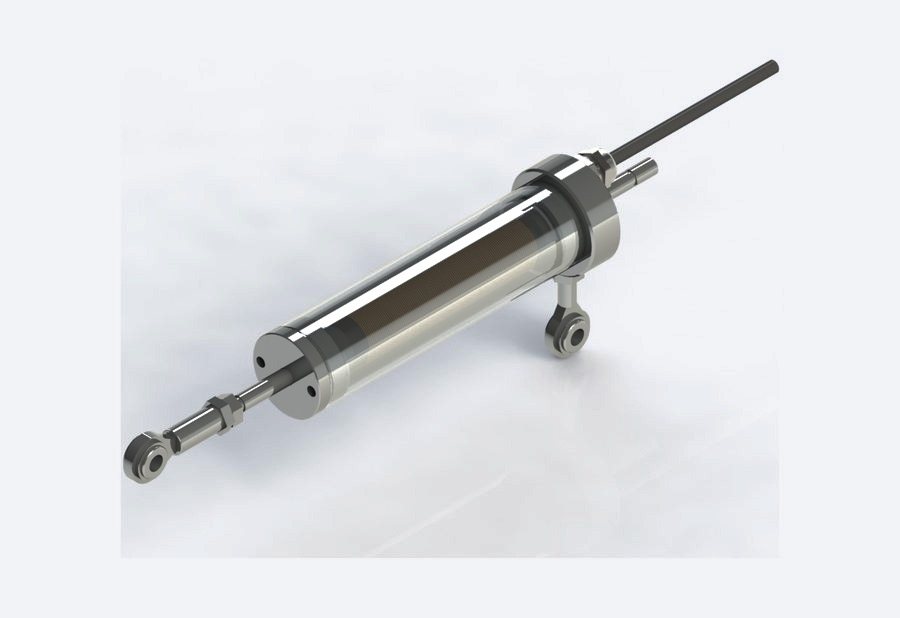
The family everything else follows from. Two separate coils: one sustains the vibration of the wire, the other measures its frequency. Separating excitation from measurement limits errors and improves repeatability.
Frequency output: unaffected by cable length or voltage drop
Long-term stability, for structures monitored over decades
Measurement of pore pressures and total pressures in soils and embankment structures. Cells are embedded during construction or installed in boreholes.
Monitoring of water pressures in earth dams and dykes
Total pressures in embankments and behind retaining structures
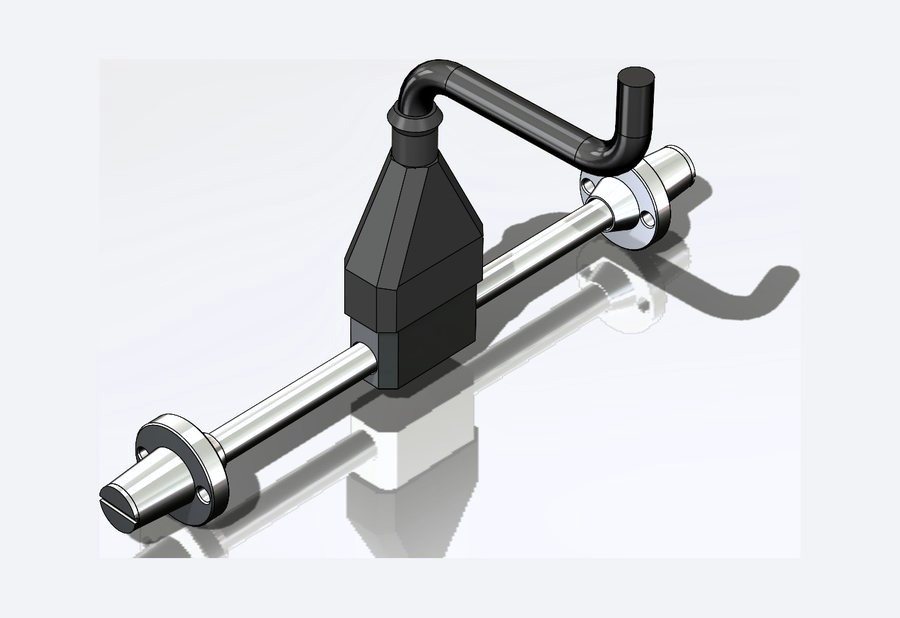
Crack meters and joint meters, mounted either side of the area to be watched. They measure opening, closing and shear, with continuous monitoring over time.
Cracks and expansion joints in concrete structures
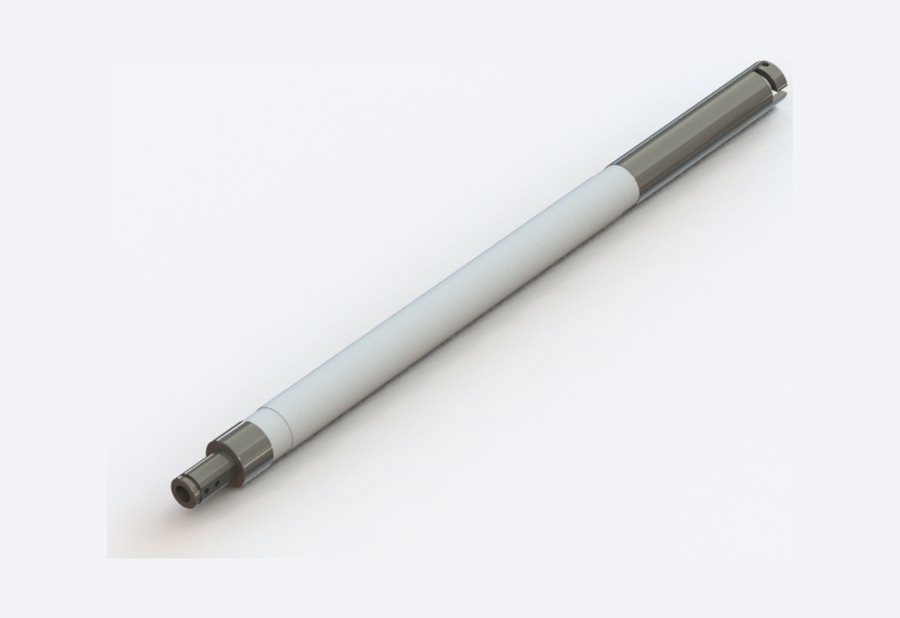
For measuring deformation: this is the measurement of compression and decompression of the soils beneath a structure. They follow the life of the structure from the day it is built.
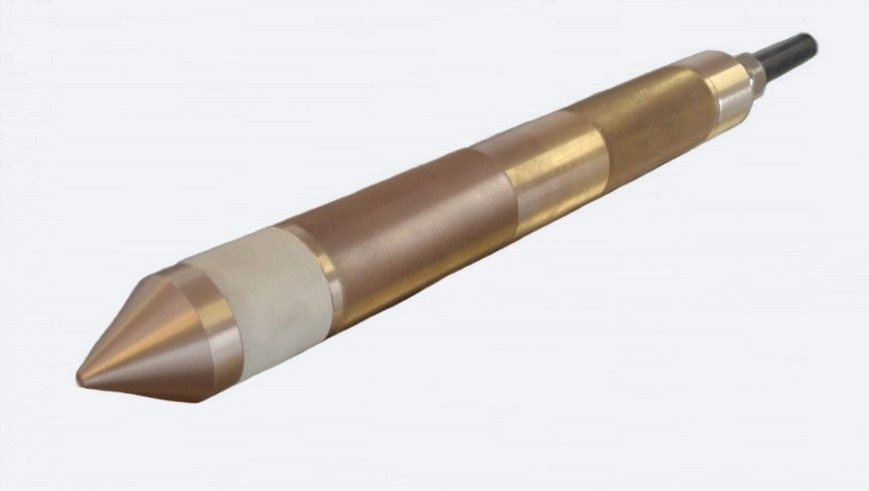
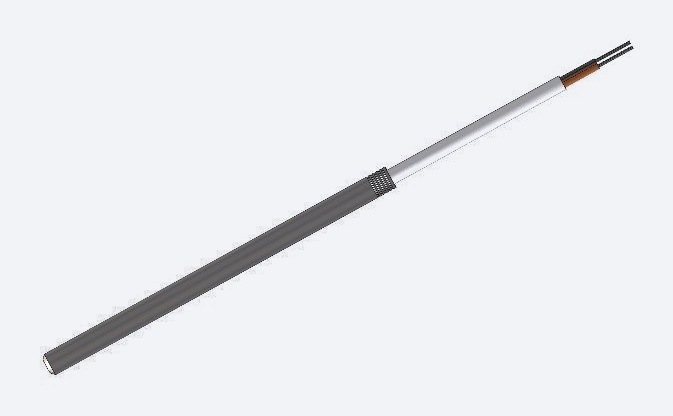
Temperature governs every other measurement: concrete moves, steel expands. It is measured in its own right, using platinum resistance probe technology.
The frequency of a tensioned wire varies with its tension. Fixed to the structure, it turns every deformation into a measurable frequency that stays stable over time.
Two coils, two roles
Two separate coils: one sustains the vibration, the other measures it.
Excitation and measurement, kept apart
Separating excitation from measurement limits errors and improves repeatability by reducing fatigue in the wire — which gives it a longer service life.
Need a particular sensor?
Our engineering office designs and manufactures sensors to suit your structure.